
Introduction: Beyond Bitcoin—A Silent Revolution
When most people hear the term blockchain, they immediately think of Bitcoin or cryptocurrencies at large. While blockchain certainly underpins digital currencies, its significance stretches far beyond the realm of speculative investments. In essence, blockchain is a groundbreaking method of recording, verifying, and securing data—a technology poised to redefine industries from finance and supply chain management to healthcare and governance. This article unravels the architecture, applications, challenges, and enduring promise of blockchain technology, offering a comprehensive perspective for the thoughtful reader.
What Exactly Is Blockchain?
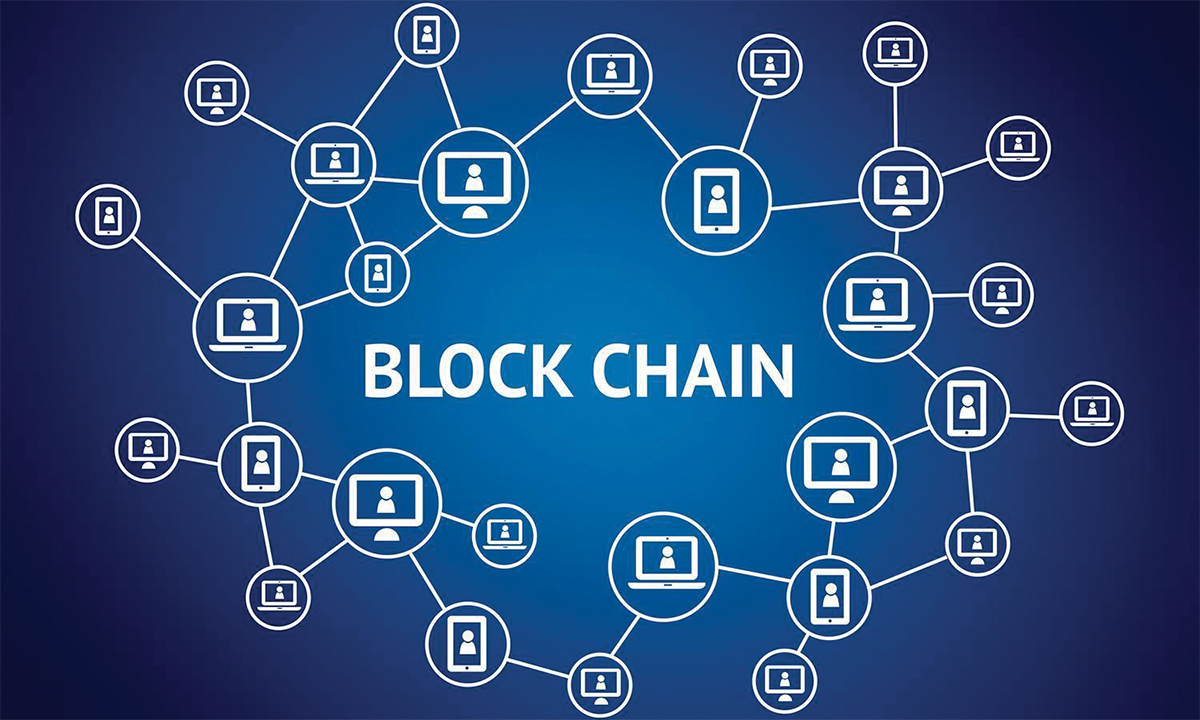
At its core, blockchain is a decentralized digital ledger. Unlike traditional databases stored on a single server, blockchain distributes identical copies of its ledger across an entire network of computers. This design ensures transparency, enhances security, and eliminates the need for intermediaries.
Key Features That Define Blockchain
-
Decentralization: No single entity has absolute control over the entire chain.
-
Immutability: Once data is added to the chain, altering it becomes practically impossible without consensus.
-
Transparency: Every transaction is visible to all participants within the network.
-
Consensus Mechanisms: These are protocols that ensure all nodes in the network agree on the validity of transactions.
These fundamental qualities make blockchain a robust system for recording and verifying transactions.
How Blockchain Works: The Building Blocks
A blockchain is composed of blocks, each containing a list of transactions. Here’s how it unfolds:
-
Transaction Initiation: A user requests a transaction, which could involve cryptocurrency, data, or any digital asset.
-
Block Creation: The transaction request is bundled into a block with other transactions.
-
Verification: Network nodes use algorithms—such as Proof of Work or Proof of Stake—to verify the block.
-
Adding to the Chain: Once validated, the block is linked to the previous block, forming a chronological chain.
-
Permanent Record: The updated blockchain is distributed to all nodes in the network.
This process fortifies trust in the system without requiring a central authority.
Blockchain’s Real-World Applications
While Bitcoin remains the poster child for blockchain, the technology’s influence permeates diverse sectors.
1. Financial Services
Banks and payment systems stand to gain the most from blockchain’s promise of secure, near-instant transactions without hefty fees. Cross-border payments, trade finance, and smart contracts are rapidly becoming blockchain’s playground.
2. Supply Chain Management
Blockchain introduces unparalleled transparency into supply chains. Companies can trace products from origin to shelf, reducing fraud and inefficiency while reassuring consumers about ethical sourcing.
3. Healthcare
Medical records stored on blockchains offer tamper-proof data while giving patients secure access to their history. It could also streamline insurance claims and medical research by ensuring accurate, verified data.
4. Governance and Voting
Blockchain-based voting systems promise tamper-resistant electoral processes, minimizing fraud and boosting trust in democratic institutions.
5. Intellectual Property
Artists and creators can protect digital content through blockchain’s timestamping and smart contracts, ensuring rightful ownership and fair compensation.
Challenges on the Road Ahead
No transformative technology comes without hurdles. Blockchain faces its fair share:
-
Scalability: The very features that ensure security and transparency can slow down transaction speeds. Solutions like layer-two protocols and sharding are under active development.
-
Energy Consumption: Proof of Work blockchains consume significant energy. Transitioning to less intensive consensus mechanisms, such as Proof of Stake, is imperative.
-
Regulatory Uncertainty: The decentralized nature of blockchain challenges traditional legal frameworks. Striking a balance between innovation and compliance remains a tightrope walk.
-
Public Perception: Many still conflate blockchain exclusively with volatile cryptocurrencies, overshadowing its wider potential.
The Future of Blockchain: Beyond the Hype
Despite challenges, blockchain’s trajectory remains promising. Enterprises are experimenting with private blockchains for internal operations. Governments are piloting blockchain-based digital identities. The integration of blockchain with other technologies—like the Internet of Things (IoT) and Artificial Intelligence (AI)—heralds unprecedented possibilities.
A particularly intriguing frontier is Decentralized Finance (DeFi). By removing middlemen, DeFi enables peer-to-peer lending, borrowing, and trading on a global scale. Meanwhile, Non-Fungible Tokens (NFTs) have revolutionized the art and entertainment industries by allowing digital ownership and provenance in a way that was previously inconceivable.
Why Blockchain Matters—A Final Thought
Blockchain is not merely another technological fad; it represents a philosophical shift toward trustless trust. In an age rife with data breaches, opaque transactions, and institutional mistrust, blockchain emerges as a quiet yet powerful solution—redistributing power, ensuring transparency, and empowering individuals.
While we may still be in the early chapters of blockchain’s story, the pages yet to be written promise to be transformative. For the curious, the innovators, and the skeptics alike, one thing is certain: blockchain is here to stay, and its impact will ripple through every corner of our interconnected world.
Closing Reflection
In the end, blockchain is a testament to human ingenuity—a simple yet profound idea that, by placing faith in mathematics and consensus rather than centralized power, we might build systems that are fairer, safer, and more resilient. Whether you are an investor, a technologist, or merely a curious observer, keeping an eye on blockchain is no longer optional; it is essential to understanding the digital age we are rapidly stepping into.